This text was written by AcupunctureShop using AI Deep Research
Abstract
Acupuncture is a thousands-of-years-old treatment method that has evolved over the past 100 years from being primarily practiced in East Asia to achieving global dissemination. This article reviews the historical global spread of acupuncture from approximately 1925 to 2025, including key milestones in China and the West. Data on the global production and consumption of acupuncture needles are presented – it is currently estimated that over a billion needles are used annually. The safety profile is highlighted by documenting serious side effects and injuries related to acupuncture reported over the years, which are generally rare but include cases of, for example, lung puncture and infection. Furthermore, the scientific evidence for acupuncture's effectiveness is assessed based on meta-analyses, systematic reviews, and major clinical studies, which overall show mixed results: some studies find a small but statistically significant effect, while others do not demonstrate a clear effect beyond placebo. Finally, the future perspectives for acupuncture towards 2075 are discussed with regard to technological development, regulation, patient demand, and integration into healthcare systems. The article is based on reliable, scientific sources and provides a comprehensive overview of acupuncture's development, current status, and expected future.
Introduction
Acupuncture, which involves inserting thin needles into specific points on the body, originated from traditional Chinese medicine (TCM) and has been practiced in China for over two millennia. In the early 1900s, acupuncture was only sporadically known outside East Asia, but during the 20th century and up to the present day, acupuncture has become a global phenomenon. In China, traditional medicine, including acupuncture, accounts for about 40% of all medical treatmentseurekalert.org, while in the West, acupuncture has increasingly become one of the most widely used complementary therapieseurekalert.org.
Several events have contributed to acupuncture's international spread. After the establishment of the People's Republic of China in 1949, the Chinese government began to revive and promote traditional treatment methods as a national treasure, which gave acupuncture new legitimacysinomedica.com. In the 1950s, China's Ministry of Health standardized
acupuncture points and techniques nationallysinomedica.com. Acupuncture's entry into the West truly gained momentum in the 1970s, especially after US President Nixon's historic visit to China in 1972, where Western media reported on surgical procedures performed under acupuncture anesthesiasinomedica.com. This attention led to an explosive interest and research in acupuncture in the following yearssinomedica.com. Since then, acupuncture has gradually been integrated into many countries worldwide. According to the World Health Organization (WHO), acupuncture is now practiced in most of the world – reports from 2019 showed that acupuncture is used in 183 countries and regions globallypmc.ncbi.nlm.nih.gov. Likewise, acupuncture is recognized as part of the world's cultural heritage; in 2010, UNESCO included acupuncture and moxibustion on the list of intangible cultural heritagejournals.lww.com. The acupuncture market also reflects this spread – globally, the acupuncture sector generated an estimated 24.5 billion USD in 2017 and was expected to reach 55 billion USD in 2023en.wikipedia.org. In 2017, Europe accounted for the largest share (32.7%) of the global acupuncture market, followed by Asia/Pacific (29.4%) and America
(25.3%)en.wikipedia.org, illustrating the worldwide demand for acupuncture.
The purpose of this article is to provide a scientific overview of acupuncture's global development over the last century. We describe (1) the historical spread and changes in the use of acupuncture from approximately 1925 to 2025, (2) data regarding the global production and consumption of acupuncture needles, (3) documented occurrences of serious side effects of acupuncture, (4) the evidence for acupuncture's clinical effect based on modern research, and (5) predict developments in the next 50 years with regard to technology, regulation, patient demand, and integration into healthcare. The article is based on a review of international specialized literature, official reports, and data from health authorities to ensure a fact-based foundation.
Method
This study is designed as a narrative review of existing literature and data. We have gathered information from peer-reviewed scientific articles, meta-analyses, systematic reviews, official reports from organizations such as WHO, and national health authority registrations, where available. Searches were conducted on scientific databases (e.g., PubMed) and via relevant keywords on the internet to identify sources regarding acupuncture's historical development, needle production, safety (side effects), and evidence base. Sources were selected based on their credibility and relevance (e.g., major review articles, international guidelines, epidemiological data, and official statistics). Data on acupuncture needle consumption and production are primarily found in industry and research reports, while information on side effects comes from both international reviews and case reports collected over decades. We have also included newer literature (up to 2024) to shed light on future perspectives and current trends. All information is presented with proper source citations. As this is a literature-based study, no new experiments or original data collections have been performed; the focus has been on synthesizing existing knowledge into a coherent overview.
Results
Historical spread and changes in use (1925–2025)
Acupuncture in the first half of the 20th century: Around 1925, the spread of acupuncture outside Asia was very limited. In China, practice continued among traditional practitioners, but the Western-oriented medical elite often viewed traditional methods with skepticism. In 1929, the Chinese government briefly attempted to abolish TCM from the official healthcare system, which included a proposal to ban acupuncture, although this did not permanently take holdsinomedica.com. In Japan, Korea, and other East Asian countries, acupuncture was deeply rooted historically and continued through local traditions. In the West, knowledge was sporadic; a few European doctors and diplomats showed interest. For example, the French diplomat Georges Soulié de Morant introduced acupuncture to France as early as the 1920s through translations and writings, marking an early, albeit small, spark of Western interest.
Revival in China and scientific research: After 1949, with the establishment of the People's Republic of China, acupuncture's status changed significantly. Mao Zedong's government highlighted traditional Chinese medicine as an integral part of the new healthcare system for both ideological and pragmatic reasonssinomedica.com. Acupuncture was actively promoted as an inexpensive and accessible treatment method, especially in rural areas, leading to broader public access. In the 1950s, research institutions dedicated to acupuncture and TCM were established, and systematic investigations into acupuncture's mechanisms of action begansinomedica.com. Chinese hospitals established acupuncture departments, and standardization of point locations and techniques was initiated in the 1950s and 1960ssinomedica.com. During the same period, acupuncture also spread to neighboring countries: traditional networks brought the practice to, for example, Vietnam, and new waves of trained acupuncturists emerged in Japan and Korea with modern adaptations. International breakthrough from the 1970s: Acupuncture's global breakthrough truly came in the 1970s. A seminal event was the Western media attention surrounding acupuncture during President Nixon's visit to China in 1972. The American journalist James Reston described in the New York Times how he received pain relief with acupuncture during an appendectomy in Beijing – a report that caused enormous sensation in the West. Subsequently, interest in Europe and the USA exploded. In the second half of the 1970s, Western doctors and alternative practitioners began experimenting with acupuncture, and national
acupuncture associations emerged. For example, the British Medical Acupuncture Society was founded in 1980 to integrate acupuncture into medical practice. In the USA, acupuncture was gradually legalized in several states;
Nevada was the first state (1973) to introduce licensing requirements for acupuncturists, and many others followed in the 1970s and 1980s. The WHO contributed to its legitimization by holding a symposium on acupuncture in 1979, where a preliminary list of conditions for which acupuncture could be used was compiled based on existing studies. This list from WHO (1979) and later WHO reports (including 2002) signaled international recognition of acupuncture's potential.
Consolidation and Integration (1980s–2000s): In the following decades, acupuncture was further consolidated globally. In the 1980s, new variations of the technique emerged – e.g., electroacupuncture (stimulation of needles with weak electrical current) and laser acupuncture – which combined traditional needle treatment with modern technologysinomedica.com. Research into acupuncture gained momentum internationally; multicenter clinical studies in, for example, the USA and Europe were conducted from the 1990ssinomedica.com. Acupuncture also found its way into the established healthcare systems of several countries as a complementary offering. In the UK, the National Health Service (NHS) began offering acupuncture as part of pain clinics and physiotherapy, and by 2009, an estimated ~4 million acupuncture treatments were performed annually in the UKpmc.ncbi.nlm.nih.gov. In the USA, the National Institutes of Health (NIH) recognized in a 1997 consensus statement that there was evidence for acupuncture for certain indications (e.g., postoperative nausea and some pain conditions), which further increased acceptance. Around 2000, acupuncture gained status as a licensed profession in most American states, and the number of practicing acupuncturists steadily increased. A US study showed that the use of acupuncture among adults rose from 1.0% in 2002 to 2.2% in 2022nccih.nih.gov, corresponding to over 7 million Americans in 2022. Overall, over 10 million acupuncture treatments per year had become standard in the USA by this time
alonepubmed.ncbi.nlm.nih.gov. Worldwide, acupuncture is now widespread on all continents and is practiced by TKM specialists, doctors, physiotherapists, and other healthcare professionals, depending on local regulations.
Current Status (2020s): At the beginning of the 2020s, acupuncture is fully globalized. WHO's latest mapping (Global Report on Traditional and Complementary Medicine 2019) shows that out of 129 surveyed countries, 80% recognize the use of acupuncturejournals.lww.com. According to the World Federation of Acupuncture-Moxibustion Societies (WFAS), in 2015, 45 countries had introduced specific legislation for acupuncture, another 65 countries had formal recognition of the legal status of acupuncture, 39 countries included acupuncture in their public health insurance systems, and 31 countries actively encouraged or permitted the use of acupuncture in healthcarejournals.lww.com. This institutional integration underscores how acupuncture has moved from a marginal practice to an integrated part of many national healthcare offerings. The spread also has cultural recognition: UNESCO's inclusion of acupuncture on the list of intangible cultural heritage cemented its status as a globally valued practicejournals.lww.com. Research in acupuncture has grown exponentially
– while fewer than 100 scientific articles on acupuncture were published annually in the 1970s, over 4,500 articles in the field were published in 2020sinomedica.com – reflecting the intense international interest in understanding and evaluating acupuncture with modern scientific methods.
Global Production and Consumption of Acupuncture Needles
Historical Manufacturing and Transition to Disposable Needles: The needles used for acupuncture have evolved significantly over time. Historically, acupuncture needles were reusable: they were made of metal (often steel, gold, or silver) and sterilized between treatments. Until the second half of the 20th century, needle reuse was the norm, which limited the total consumption of needles but carried some risk of infection due to insufficient sterilization. In the late 1970s, a revolutionary change occurred with the introduction of the first disposable needles for
acupuncturepmc.ncbi.nlm.nih.gov. A Japanese manufacturer (SEIRIN) launched the world's first sterile disposable acupuncture needles around 1979–1980, which quickly became the industry standard. The transition to disposable needles was further promoted in the 1980s, partly due to global awareness of blood-borne diseases (such as HIV/AIDS and hepatitis). From the 1980s onwards, needles were globally switched to single-use and then discarded, which drastically improved patient safety by reducing the risk of infectioneurekalert.org. This development also led to a sharp increase in the production of acupuncture needles to meet the demand for sterile disposable products.
Current Production and Consumption:
Today, acupuncture needles are produced and consumed in colossal quantities worldwide. According to a market analysis by Hualun Medical (2021), up to 13 billion disposable needles were consumed globally per year in the period 2016–2021. This figure is significantly higher than previous conservative estimates of 1–1.4 billion, due partly to the massive global spread of acupuncture and partly to the fact that each treatment typically involves 5–20 needles. Most needles are produced in China, which dominates the global market for acupuncture needles, followed by Japan and Korea. This development illustrates the industrial scale and global interdependence that has arisen around acupuncture treatment.
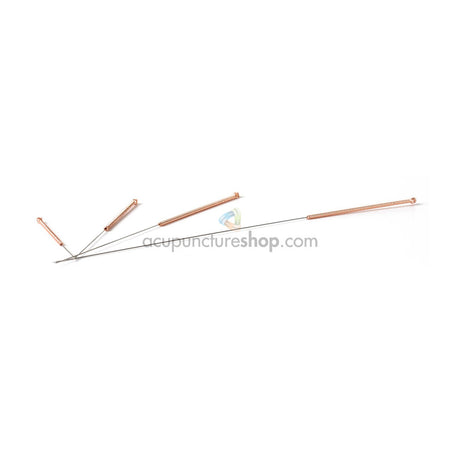
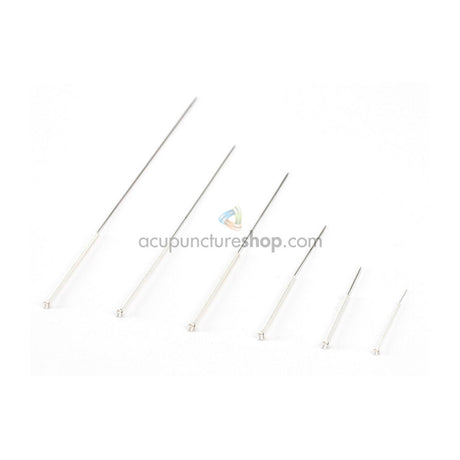
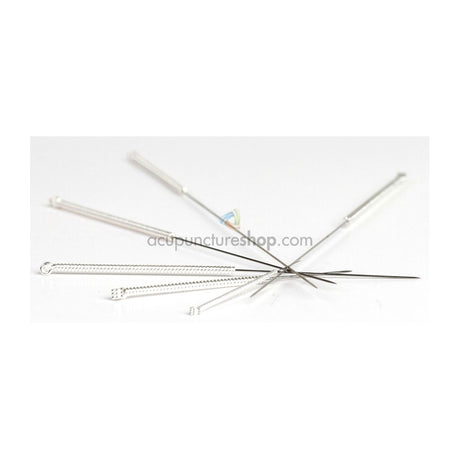
Development Trends: Over time, the quality and standardization of acupuncture needles have improved, although studies indicate that small quality issues such as surface irregularities or blunt tips on the needles can still occureurekalert.orgeurekalert.org. The industry has introduced international standards for acupuncture needles (e.g., ISO standards) to ensure uniform dimension, flexibility, and sterility. Today, almost all acupuncture needles are made of surgical stainless steel, coated with a thin layer of silicone for easier insertion, sterilized with e.g. ethylene oxide, and individually packaged. Needles are available in various thicknesses and lengths depending on treatment needs. Needle consumption is expected to continue to rise slightly as acupuncture gains acceptance in more regions and new treatment methods (such as electroacupuncture) use the same needles. Market analyses thus predict that the global market for acupuncture needles will grow significantly towards 2030, driven by increased demand and more trained acupuncturistsnuhs.edu. The disposable acupuncture needle is now a prerequisite for safe practice, and the global distribution of these needles is an essential part of acupuncture's infrastructure.
Serious Side Effects and Injuries Related to Acupuncture
Acupuncture is generally considered a safe treatment modality when performed correctly by well-trained practitioners using sterile techniquesen.wikipedia.org. Serious complications are relatively rare, especially compared to many conventional medical interventions, but they can occur. This section reviews the documentation for serious side effects and injuries, including their frequency and types, based on available data from health authorities and scientific studies.
Most Common Complications: Minor discomfort during or after acupuncture is relatively common and includes, for example, transient pain upon insertion, minor bleeding, or bruising at the needle site. These temporary side effects are usually harmless and rarely require treatment. The focus here is on serious side effects, defined as causing significant harm, requiring medical intervention, or, in the worst case, permanent disability or death. The most commonly reported serious complications worldwide are:
• Fainting (vasovagal syncope): Sudden temporary loss of consciousness related to needle insertion. This is the most frequently described single complication in historical records (often triggered by patient anxiety or pain). A review of Chinese literature found 468 cases of syncope during acupuncture in the period 1956–2010pubmed.ncbi.nlm.nih.gov. Although fainting is typically transient with no lasting consequences, it is categorized as a serious event as the patient can potentially be injured by falling.
• Pneumothorax (collapsed lung): Occurs if a needle accidentally penetrates the pleura, typically when treating points on the upper body (e.g., near the lungs or shoulders). Pneumothorax is one of the most feared complications. In the Chinese review mentioned above, 307 cases of acupuncture-related pneumothorax were documentedpubmed.ncbi.nlm.nih.gov. Symptoms can include sudden chest pain and shortness of breath, and the condition may require hospital treatment with a drain. Fortunately, this complication is extremely rare relative to the enormous number of acupuncture treatments performed: Prospective studies suggest an incidence of only approx. 0.87 per 1,000,000 treatments generally (i.e., less than 1 case per million)journals.sagepub.com. Even among "risk points" (points near the lungs), the risk is estimated at only ~1.75 per 1,000,000 treatmentsjournals.sagepub.com. These numbers emphasize that pneumothorax after acupuncture is very rare but not excluded, and therefore requires careful technique and anatomical knowledge from the practitioner.
• Nerve and spinal cord injuries/hemorrhages: Another potentially serious complication is damage to the nervous system. Cases of subarachnoid hemorrhage (bleeding around the brain/spinal cord) have been reported after acupuncture, likely due to needling too close to the spinal canal or cranium. Chinese sources documented 64 cases of subarachnoid hemorrhage during the 1956–2010 periodpubmed.ncbi.nlm.nih.gov. Likewise, a few cases of direct nerve damage (such as nerve lesions with subsequent sensory disturbances or muscle weakness) have been described. These incidents are extremely rare and almost exclusively seen with grossly incorrect needle application or in patients with specific risk factors.
• Infections: Before the introduction of single-use needles, infection was a more prominent risk. Insufficient sterilization could lead to the transmission of skin infections or even serious systemic infections (e.g., hepatitis or HIV). Since the transition to single-use needles, the risk of infection has been dramatically reducedeurekalert.org. Nevertheless, isolated cases of infections have been reported, such as localized abscesses at insertion sites or more serious infections like endocarditis (heart valve infection) and hepatitis due to gross neglect of hygiene. A 2013 review noted that the number of reported cases of infections transmitted by acupuncture had actually increased significantly in the preceding decade, attributed to better surveillance and reportingen.wikipedia.org. Infections most often occur when sterile procedures are not followed and are thus, in principle, preventable. It has been reported that the most common serious adverse effects of acupuncture are precisely pneumothorax and infections, and these cases are typically associated with inexperienced or careless practitionersen.wikipedia.org.
• Other rare complications: Among the absolute rarest but serious incidents are reports of cardiac tamponade (blood around the heart due to needling through the sternum), organ damage in the abdominal cavity (e.g., puncture of the liver or intestines with deep needling in the
abdomen/back), as well as very few fatalities. According to the Chinese review, 35 patients out of the 1,038 reported cases of acupuncture complications from 1956–
2010 diedpubmed.ncbi.nlm.nih.gov – most deaths were due to infectious complications or organ damage that was not managed in time. Although 35 deaths in ~50 years are tragic for those affected, this must be seen in light of the countless millions of treatments given in the same period.
Summary of safety profile: The accumulated data indicate that acupuncture has a low frequency of serious adverse effects. Large prospective studies in the West confirm this; in an English study covering over 30,000 treatments, no life-threatening complications were observed, and only 43 minor adverse effects were reporteden.wikipedia.org. Similar German studies (including over 2.2 million treatments in a health insurance database) found only a couple of cases of pneumothorax and no deaths, corresponding to less than 1 serious incident per 100,000 treatments. Overall, the consensus is that when acupuncture is performed correctly – i.e., by trained acupuncturists, with correct needling technique and sterile single-use needles – the risk of serious complications is very lowen.wikipedia.org. The reported incidents usually occur due to errors: either anatomical misplacement of needles, inadequate hygiene, or failure to consider the patient's condition. Thus, experts conclude that most adverse effects can be prevented through better education and adherence to safety standardspubmed.ncbi.nlm.nih.gov. Internationally, it is recommended that acupuncturists undergo thorough training to minimize risks, and WHO has developed guidelines/“benchmarks” for safe acupuncture practice specifically to improve safety globallyen.wikipedia.org.
Scientific evidence for acupuncture's effectiveness
Research overview: The effectiveness of acupuncture has been subject to extensive research, especially from the 1970s onwards. Thousands of clinical studies – ranging from small laboratory experiments to large randomized controlled trials (RCTs) – have been conducted to investigate whether acupuncture works for various medical conditions. In addition, there is a growing number of systematic reviews and meta-analyses that summarize the available evidence in specific areas (e.g., chronic pain, migraines, nausea, fertility, etc.). Overall, the evidence picture is mixed. Some meta-analyses find positive effects for certain indications, while others conclude that acupuncture has no documented effect beyond the placebo effect. The main lines of scientific evidence are reviewed below:
Effect on chronic pain – small but real improvements: The best-studied area is acupuncture for chronic pain (such as lower back pain, neck-shoulder pain, osteoarthritis pain, and chronic headache). Here, large meta-analyses with individual patient data are available. An influential meta-analysis included data from approximately 20,000 patients across 39 RCTs that compared acupuncture with both sham acupuncture and no
acupuncturepubmed.ncbi.nlm.nih.gov. The results showed that acupuncture was statistically significantly better at pain relief than both control groups: compared to no treatment, the effect was moderate (about 0.5 standard deviations better pain reduction), and compared to sham acupuncture, the effect was smaller but still positive (about 0.2 standard deviations better)pubmed.ncbi.nlm.nih.gov. These differences correspond to real needles providing slightly more pain relief than placebo needles, although the magnitude of the difference was relatively modest. Interestingly, the study also found that the effect of acupuncture was maintained over time – even after 1 year, only about 15% of the effect had diminished, suggesting some lasting pain reliefpubmed.ncbi.nlm.nih.gov. The authors concluded: “We conclude that acupuncture is effective for the treatment of chronic pain, and the effect persists over time”, while also pointing out that part of the effect may be due to non-specific factors (e.g., patient expectations or practitioner contact) beyond the needling itselfpubmed.ncbi.nlm.nih.gov. Overall, these large studies provide evidence that acupuncture has a moderate clinical effect in pain management beyond placebo, although acupuncture is not a miracle cure and its effect varies among patients.
Effect on other conditions: In addition to pain, acupuncture has been studied for a multitude of other conditions. The results here are more inconsistent. For nausea and vomiting (especially postoperative or chemotherapy-induced), several studies and Cochrane reviews show a positive effect of acupuncture (often in the form of pressure or needling at acupuncture point P6 at the wrist) compared to no treatment.
WHO's 2002 report, for example, recognized acupuncture as effective against nausea and vomiting based on these findings. Headache and migraine: Some randomized studies find that acupuncture can reduce the frequency of migraine attacks or tension headaches, and acupuncture is incorporated into clinical guidelines for the prevention of chronic headache in some countries (Germany, UK). However, the effect here is also often on par with a good placebo treatment, and skeptics
argue that patient expectations play a large role. Fertility and gynecological issues: Acupuncture is popular for infertility treatment (e.g., in conjunction with IVF treatment) and for menstrual pain. The evidence is not conclusive; some studies have shown higher pregnancy rates with IVF accompanied by acupuncture, while more recent large trials found no significant difference compared to control. Mental disorders (e.g., anxiety, depression): Here, data are limited and the quality of studies varies, but individual studies suggest mild to moderate improvement in symptoms with the addition of acupuncture to standard treatment for depression/anxiety, while other studies found no effect. Other: Acupuncture has also been tested for conditions such as allergic rhinitis (hay fever), smoking cessation, weight loss, tinnitus, etc. Generally, the results in these niche areas are weak or mixed – systematic reviews often conclude that the evidence is insufficient to draw firm conclusions.
Overall evidence assessment and controversies: Despite some positive findings, acupuncture research faces methodological challenges. Blinding is difficult – patients can often feel whether the needle penetrates the skin – which complicates placebo control. There has also been publication bias (i.e., positive studies are published more often than negative ones). Some review articles by skeptical researchers (e.g., Edzard Ernst and colleagues) have concluded that there is no good evidence that acupuncture provides clinically relevant improvements for most conditionsen.wikipedia.org. A review of Cochrane reviews in 2021 found that many reviews either concluded "inconclusive evidence" or "low evidence for a small effect" depending on the ailment. In fact, it is often noted that the better controlled a study is (e.g., with sham control and good blinding), the less acupuncture tends to show a significant effect – suggesting that part of the effect can be attributed to placebo effects or bias. This has led to debate in the
research community: Proponents point to positive meta-analyses for pain and certain neurological disorders, as well as neurophysiological studies that have documented acupuncture's effect on, for example, endorphin release and anti-inflammatory mechanismsnuhs.edu. Skeptics point out that the theoretical basis of acupuncture (the concept of qi and meridians) is not supported by Western science, and they consider acupuncture to be an elaborate placebo, where the ritual and the patient's expectation create the effecten.wikipedia.orgen.wikipedia.org. A summary in the British Medical Journal stated: “The conclusions from trials and systematic reviews of acupuncture generally do not provide good evidence of benefits, indicating that it is not an effective
type of treatment”en.wikipedia.org. At the same time, it is acknowledged that acupuncture is generally safe and can induce positive subjective effects in patients, which is why some clinicians continue to use it as a supplement, especially where conventional treatment options are few or undesirable (e.g., chronic pain conditions where opioids are to be avoided).
In the research community, there is thus a tension between, on the one hand, promising results for certain applications and, on the other hand, demands for strict evidence. Despite the controversies, acupuncture is still being intensively researched. New studies focus both on clinical efficacy and mechanisms: For example, a recent neurobiological study at Harvard identified specific neural pathways through which acupuncture can reduce inflammation and pain, providing a possible explanation for acupuncture's effect in some patientsnuhs.edu. Such findings can help bridge the gap between the TCM concept and modern science. However, until now, major international expert groups conclude that the evidence for acupuncture's effectiveness varies with the indication: there is moderate evidence for pain relief and certain forms of nausea, while the evidence base for many other applications is either weak or conflicting. This is also reflected in clinical guidelines globally – some countries (e.g., Germany) recommend acupuncture for low back pain and knee osteoarthritis based on positive studies, while other countries are more cautious. Overall, there is agreement that more high-quality RCTs and meta-analyses are needed to clarify precisely when and how acupuncture works best.
Discussion
Overall trends (1925–2025)
Over the last century, acupuncture has undergone a significant transformation from being a regional, traditional practice to becoming a global player in the healthcare sector. The historical review shows that political and cultural factors played a key role in acupuncture's fate: China's political support after 1949 reintroduced acupuncture in a modern form, and globalization and cultural exchange from the 1970s brought the method to the West. Acupuncture's integration into many countries' healthcare offerings in the 2000s and 2010s – such as insurance coverage in several countries and hospital-based acupuncture clinics – demonstrates a high degree of acceptance, despite the ongoing scientific debate about its effectiveness. It is remarkable that acupuncture is now practiced in well over 100 countriespmc.ncbi.nlm.nih.gov, something hardly imagined in 1925. A significant piece of this puzzle is patient demand: Globally, millions of people seek acupuncture treatment every year, often hoping for relief where conventional medicine has failed (e.g., chronic pain or functional disorders). This demand has driven progress and pushed healthcare systems to address acupuncture – either by integrating it or by regulating it as an alternative treatment.
Production and safety – implications
Data on needle production and side effects underscore the importance of regulation and standards in acupuncture practice. The fact that 13.8 billion needles are consumed globally annually is testament to the large volume of acupuncture treatments. This massive use raises questions about quality control: consistently high quality of needles is necessary to prevent complications (e.g., rough needles can potentially cause minor tissue damage). Fortunately, studies show that industry standards are generally high, although small surface defects still occur in some productseurekalert.org. The transition to single-use needles was a crucial improvement for patient safety, and historically, one can see how the introduction of new technology (sterile needles) solved a problem (infections) but at the same time required industrial scaling.
Safety data show that while acupuncture is not without risk, serious incidents are so rare that acupuncture is considered one of the safer interventional forms of medicine. For example, the risk of a life-threatening complication is dramatically lower with acupuncture than with surgical interventions or long-term use of certain drugs (consider the side effect profile of NSAID painkillers or opioids). This is one reason why some health authorities have turned their attention to acupuncture as a tool, especially in connection with, for example, pain relief in light of
the opioid crisisnuhs.edu. However, there is an important caveat: the serious complications that do occur can often be attributed to inadequate training or regulation. In countries or regions where acupuncturists are not regulated, or where short courses without sufficient anatomy and safety training are permitted, more accidents are observed. Conversely, in countries with educational requirements, serious accidents have been almost eliminated. The discussion here therefore points to a clear recommendation: Continued and strengthened regulation of the acupuncture profession globally to ensure that practitioners have the necessary knowledge and skills. WHO's benchmarks and WFAS's work are steps in the right direction, but implementation depends on national legislators. As acupuncture spreads to new areas (e.g., several African and Latin American countries that traditionally have had less acupuncture practice), establishing standards will be crucial to avoid mistakes that can harm patients and the method's reputation.
Interpretation of the evidence
The divergent evidence for acupuncture's effect requires a nuanced interpretation. On the one hand, we have the experiences of patients and practitioners: many patients report benefit and relief, and acupuncture has survived for centuries precisely because people found it useful. On the other hand, we have the stringent requirements of modern evidence-based medicine (EBM), where only treatments that can convincingly demonstrate efficacy beyond placebo in controlled trials are widely recommended. Acupuncture is somewhere in between: neither definitively rejected nor fully proven for all its uses.
High-quality meta-analyses indicate that there is a real, albeit small, specific effect in, for example, pain reliefpubmed.ncbi.nlm.nih.gov. This could suggest that acupuncture has a physiological effect (e.g., via stimulation of nerves and release of endorphins and other neurotransmitters). At the same time, the placebo effect is also significant with acupuncture – the ritual itself, the patient's belief in the treatment, and the time the practitioner spends with the patient can improve the outcome. But it is important to note: in clinical practice, patients do not necessarily need to distinguish between “specific needle effect” and “contextual effect” – they are primarily interested in whether they feel better. Therefore, some argue that even if part of acupuncture's effect is placebo, it can still be valuable, especially where conventional treatments are insufficient or involve greater risks. This viewpoint must, however, be balanced against ethical considerations (is it acceptable to use a treatment with uncertain specific effect?) and resource considerations in public healthcare systems.
Another dimension is that acupuncture is often performed as part of a holistic approach. This means that the patient may also receive lifestyle advice, dietary recommendations, or other support from the acupuncturist, which can contribute to improvement. This can make it difficult to isolate the effect of acupuncture in studies. Some newer research initiatives, such as "pragmatic trials" and real-world data collection (e.g., patient registries for acupuncture treatmentpmc.ncbi.nlm.nih.govpmc.ncbi.nlm.nih.gov), attempt to evaluate acupuncture under more real-world conditions rather than in artificial experimental settings, to see what benefits patients actually receive in practice.
All in all, the discussion of evidence indicates that acupuncture can neither be dismissed as ineffective hocus pocus nor unconditionally embraced as a miracle cure. The truth value we can derive in 2025 is that acupuncture has limited but demonstrable effect in certain areas (above all, pain), while its role for other ailments is still unclear. Future research, especially high-quality RCTs and biological mechanism studies, will be crucial to clarify under what conditions acupuncture is most beneficial.
Future Perspectives (2025–2075)
Looking ahead to the next 50 years, we can expect acupuncture to continue to evolve, both technologically, regulatorily, and in terms of its place in healthcare. Here are some key future perspectives:
• Technological innovation: Acupuncture will likely benefit from technological advancements. Already in the late 20th century, we saw the emergence of electroacupuncture and laser-based acupuncturesinomedica.com; going forward, new modalities such as robot-assisted acupuncture (robotic arms that can precisely insert needles guided by imaging diagnostics) could become a reality in clinics. Also, electronic acupuncture stimulators, which stimulate acupuncture points transcutaneously (through the skin) using electricity or magnetic fields without needles, may gain traction as a supplement or alternative for needle-phobic patients. Another potential development is the integration of biotechnology, e.g., microneedles with biosensors that can measure tissue response at acupuncture points in real-time, or drug-coated acupuncture needles that deliver microdoses of medication at the specific point to combine mechanical stimulation with pharmacological effect. Furthermore, imaging and neuromonitoring could play a role; future researchers can use fMRI, ultrasound, or other techniques while acupuncture is administered, to see precisely which brain or nerve activity patterns acupuncture induces, and thereby optimize point selection
scientifically. Overall, technology could make acupuncture more precise, individualized, and potentially more effective.
• Further development of evidence and integration into medicine: In the coming decades, acupuncture research is expected to continue with high intensity. With better research methods and larger studies, more clear answers may emerge. If the current trend of gradually more positive findings for certain areas continues, we could see acupuncture become a standard part of integrative medicine globally. For example, as solutions are sought for chronic pain without the use of opioids, acupuncture could become a first-line treatment in pain clinics worldwide, supported by both clinical evidence and
patient demandnuhs.edu. Already, recognition is growing: In the US, major hospitals such as Cleveland Clinic, Mayo Clinic, and others have established integrative medicine departments where acupuncture is offered alongside conventional treatmentsnuhs.edu. This integration is expected to spread further towards 2075, especially if economic analyses can show that acupuncture can reduce the consumption of expensive medicines or shorten disease courses. On the education front, we can expect more medical students and healthcare professionals to receive basic training in acupuncture or at least knowledge about it, so that interdisciplinary collaboration between acupuncturists and other practitioners improves. Another facet is standardization: Perhaps internationally, there will be agreement on certain evidence-based treatment protocols for acupuncture (e.g., standard points for certain conditions based on the best evidence), which can reduce variation in practice and facilitate research.
• Regulation and quality assurance: Looking ahead to 2075, it is likely that acupuncture will be subject to stricter global regulation than it is today. In 2025, there is still great variation – some countries require a full medical degree to practice acupuncture, others have independent acupuncture training programs, while yet others have almost no regulations. With the increasing popularity of acupuncture comes the need to ensure that patients receive qualified treatment. The WHO's traditional medicine strategies may continue to encourage member states to implement licensing schemes, educational standards, and certification for acupuncturists. By 2075, we could imagine a uniform minimum standard globally (e.g., a certain number of hours of training, an international accreditation system, etc.), perhaps facilitated by organizations like WFAS or WHO. Regulation will also include continued focus on safety – reporting of side effects may become mandatory in more countries to monitor practice, and equipment (needles and other tools) will be regulated as medical devices, similar to syringes and surgical instruments.
• Patient demand and public perception: If current trends continue, patient interest in holistic and natural treatments is unlikely to decrease in the future. In fact, the aging global population is expected to have more chronic diseases and pain issues, which may increase demand for acupuncture and similar therapiesnuhs.edu. Conversely, breakthroughs in biomedicine (e.g., new pain-relieving methods, genetic engineering, etc.) could compete with acupuncture for attention. However, acupuncture has shown a remarkable ability to adapt and survive in different cultures – its relative non-invasiveness and individualized nature appeal to many patients. By 2075, acupuncture could be fully mainstream in some countries (no longer seen as "alternative," but simply one of several tools doctors can choose from), while in other countries it could remain a niche offering for those seeking something outside the established norm. Much will depend on future research: if decisive studies unequivocally confirm the effect of acupuncture for large groups of diseases, it will give acupuncture a significant boost in reputation. Conversely, if the results remain unclear, acupuncture may continue at a status quo, recognized by some and rejected by others.
• Synergy with modern medicine: In the future, there is potential for increased synergy between acupuncture and conventional medicine. Already, some doctors use "medical acupuncture" – for example, needling at trigger points or nerves for pain relief – without necessarily following TCM theory, but rather based on physiological principles ("dry needling" is an example, used by physiotherapists). This convergence may appeal to those who are skeptical of the TCM concept but open to needle therapy as a technique. In the next 50 years, we may see more integrated treatment forms, where acupuncture is combined with, for example, pharmacotherapy (medication given simultaneously for synergistic effect), physiotherapy/rehabilitation (where acupuncture is used to facilitate exercise therapy) or psychotherapy (where acupuncture may alleviate anxiety to improve the effect of talk therapy). Healthcare may thus move towards a more multimodal treatment approach, where acupuncture is one component in a larger whole, tailored to the patient's needs.
Expected challenges: Despite the positive potential, there are also challenges on the horizon. One is scientific acceptance: Acupuncture risks falling out of favor if it does not continuously demonstrate its value in rigorous studies. Skeptical voices in the medical community will remain watchdogs to ensure that resources are not wasted on ineffective treatments. Therefore, the acupuncture community is under some pressure to provide solid evidence or narrow the indications to those where it actually works. Another challenge is education: Training enough qualified acupuncturists to meet demand without compromising quality will be important – especially if many countries incorporate acupuncture into the public sector, which could create a shortage of practitioners. Finally, economic and political factors will also play a role: Healthcare systems in 2075 may need to prioritize more strictly between treatment forms; acupuncture must therefore prove cost-effective compared to alternatives to defend its place.
Overall, the future outlook for acupuncture is promising but dependent on developments. The scenario in 2075 could be that acupuncture is a fully integrated, well-documented treatment modality globally – a scenario supported by current growth trends, technological innovation, and patients' search for holistic treatment. Alternatively, if evidence does not materialize, acupuncture could continue primarily as a complementary niche. Given the momentum acupuncture has gained by 2025 – with billions of needles in use each year and international recognition – it seems likely that in 50 years, acupuncture will still be part of humanity's medical arsenal, probably in an even more refined and integrated form.
Conclusion
Acupuncture has undergone a remarkable global development from 1925 to 2025. From being a traditional Chinese healing method, practiced locally in the East, acupuncture has gained widespread use on all continents and integration into many countries' healthcare systems. Historically, this spread was facilitated by cultural exchange and political support – especially China's promotion of acupuncture in the mid-20th century and the West's burgeoning interest from the 1970s. Today, acupuncture is practiced in well over a hundred countries, and millions of treatments are performed worldwide each year.
The global production and consumption of acupuncture needles have grown accordingly, with an estimated over 13.8 billion disposable needles used annually, primarily manufactured in China. The transition to disposable needles around 1980 significantly improved safety and highlights the importance of technological advances and standardization going hand in hand with the spread of practice.
Acupuncture's safety profile can be described as predominantly good. Serious side effects such as pneumothorax and infection occur extremely rarely relative to the large number of
treatmentsjournals.sagepub.com, and most such incidents can be prevented through proper training and hygienepubmed.ncbi.nlm.nih.gov. Historical data have documented a few hundred serious cases over several decades in the largest acupuncture countries, indicating that the risk per treatment is very low. This makes acupuncture one of the safer complementary therapies, although continuous monitoring and quality control are necessary to maintain this status.
The scientific evidence for acupuncture's effectiveness is nuanced. There is solid documentation that acupuncture can provide pain relief beyond placebo for certain chronic pain conditionspubmed.ncbi.nlm.nih.gov, and the treatment is therefore recommended or used in several contexts as an alternative or supplement to conventional pain treatments. Conversely, the evidence for many other indications is limited or conflicting, and several comprehensive reviews indicate that acupuncture generally has not shown significant treatment benefits for the majority of diseases studieden.wikipedia.org. This tension reflects acupuncture's dual nature as both a traditionally rooted therapy and a modern intervention that is being measured by evidence-based methods.
Going forward, from 2025 to 2075, a continued evolution of acupuncture is foreseen. Technological innovations may improve and expand acupuncture's applications, while increased global regulation and standardization can ensure quality and safety. Patient demand for holistic and individualized treatment options suggests that acupuncture – provided it can demonstrate utility – will maintain its relevance. Integration into healthcare systems may become more pronounced, especially if acupuncture proves cost-effective in managing chronic conditions. Alternatively, a lack of evidence will keep acupuncture as a supplement on the periphery of mainstream medicine.
Overall, a picture emerges of acupuncture as a persistent and adaptable treatment method that has gained global acceptance over 100 years and now stands at a crossroads where future research and innovation will determine its precise role in the coming decades of medicine. This article has illuminated acupuncture's journey from past to present and offers a qualified assessment of its future, based on available scientific sources. Whether one views acupuncture with skepticism or enthusiasm, its global presence and the amount of knowledge that has been built up are impressive – and it will undoubtedly continue to be the subject of both clinical application and scientific exploration in the decades to come.
References
1. eurekalert.orgEurekAlert! “Quality of acupuncture needles is less than perfect and must improve”. Press Release, Feb 12, 2014. (Accessed dd.mm.2025)
2. business-standard.comBusiness Standard. “Check needles closely when you go for acupuncture therapy”, Feb 13, 2014. (Accessed dd.mm.2025)
3. pmc.ncbi.nlm.nih.govpmc.ncbi.nlm.nih.govZhao T. et al., “Acupuncture Case Registry Study: Rationale, Implementations, and Achievements”. Journal of Pain Research, vol. 15, 2022, p. … (PMC9705101).
4. journals.lww.comjournals.lww.comLiu BY et al., “Acupuncture – a national heritage of
China to the world: international clinical research advances from the past decade”. Acupunct Herb Med. 2021;1(2):65–73.
5. en.wikipedia.orgWikipedia: “Acupuncture”, section “Global market” (citing market report, 2017). (Accessed dd.mm.2025)
6. sinomedica.comsinomedica.comSinomedica Blog. “From Tradition to Modern Science: The Evolution of Acupuncture”, n.d. (Accessed dd.mm.2025)
7. pmc.ncbi.nlm.nih.govMVClinic: “Single-Use Acupuncture Needles” (PDF). (Accessed dd.mm.2025) – Notes first disposable needles in late 1970s.
8. eurekalert.orgEurekAlert! (ibid.) – Notes adoption of disposable needles and infection risk.
9. pubmed.ncbi.nlm.nih.govHe WJ et al., “Adverse events following acupuncture: a systematic review of the Chinese literature for the years 1956–2010”. J Altern Complement Med. 2012 Oct;18(10):892-901.
10. journals.sagepub.comKim M et al., “Incidence of iatrogenic pneumothorax following acupuncture”. Acupunct Med. (study cited via Sage Journals, 2018).
11. en.wikipedia.orgWikipedia: “Acupuncture”, section on adverse effects (citing inter alia 2013 review on infections).
12. pubmed.ncbi.nlm.nih.govVickers AJ et al., “Acupuncture for Chronic Pain: Update of an Individual Patient Data Meta-Analysis”. J Pain. 2018;19(5):455–474. (Conclusion citation).
13. pubmed.ncbi.nlm.nih.govIbid. – Results (effect sizes vs. sham and no treatment).
14. en.wikipedia.orgWikipedia: “Acupuncture”, section on evidence (citing systematic reviews with skeptical conclusions).
15. nuhs.eduMa Q et al., 2021 (Nature Medicine): Neuroscience study on acupuncture and inflammation (cited via NUHS blog).
16. nuhs.eduNational University of Health Sciences Blog: “Why the future of acupuncture is promising”, May 2, 2022. (Integration into mainstream hospitals).
17. nuhs.eduIbid. – Market forecast 2022–2026 ($14 billion growth; aging population and pain cases drive demand).
18. pubmed.ncbi.nlm.nih.govHao JJ et al., “Acupuncture: past, present, and future”. Global Adv Health Med. 2014 Jul;3(4):6-8. (States 10 million treatments/year in USA).
19. pmc.ncbi.nlm.nih.govHopton AK et al., “Acupuncture in practice: mapping the providers, the patients and the settings in a national cross-sectional survey”. BMJ Open. 2012;2(1):e000456. (Estimated 4 million treatments/year in UK, 2009).
20. journals.lww.comLiu BY et al. (2021, ibid.) – Notes lack of high-quality evidence despite guideline inclusion (conflicting results in the West).
References
Quality of acupuncture needles is less than perfect and must improve | EurekAlert!
https://www.eurekalert.org/news-releases/794205
From Tradition to Modern Science: The Evolution of Acupuncture
https://www.sinomedica.com/blog/from-tradition-to-modern-science-the-evolution-ofacupuncture?hsLang=en
From Tradition to Modern Science: The Evolution of Acupuncture
https://www.sinomedica.com/blog/from-tradition-to-modern-science-the-evolution-ofacupuncture?hsLang=en
From Tradition to Modern Science: The Evolution of Acupuncture
https://www.sinomedica.com/blog/from-tradition-to-modern-science-the-evolution-ofacupuncture?hsLang=en
Acupuncture Case Registry Study: Rationale, Implementations, and Achievements - PMC
https://pmc.ncbi.nlm.nih.gov/articles/PMC9705101/
Acupuncture and Herbal Medicine
https://journals.lww.com/ahm/fulltext/2021/12000/acupuncture___a_national_heritage_of_china_to _the.1.aspx
https://en.wikipedia.org/wiki/Acupuncture
From Tradition to Modern Science: The Evolution of Acupuncture https://www.sinomedica.com/blog/from-tradition-to-modern-science-the-evolution-ofacupuncture?hsLang=en
From Tradition to Modern Science: The Evolution of Acupuncture
https://www.sinomedica.com/blog/from-tradition-to-modern-science-the-evolution-ofacupuncture?hsLang=en
From Tradition to Modern Science: The Evolution of Acupuncture
https://www.sinomedica.com/blog/from-tradition-to-modern-science-the-evolution-ofacupuncture?hsLang=en
From Tradition to Modern Science: The Evolution of Acupuncture
https://www.sinomedica.com/blog/from-tradition-to-modern-science-the-evolution-ofacupuncture?hsLang=en
Acupuncture in practice: mapping the providers, the patients and the ...
https://pmc.ncbi.nlm.nih.gov/articles/PMC3278493/
Acupuncture: Effectiveness and Safety | NCCIH
https://www.nccih.nih.gov/health/acupuncture-effectiveness-and-safety
Acupuncture: past, present, and future - PubMed
https://pubmed.ncbi.nlm.nih.gov/25105069/
Acupuncture and Herbal Medicine
https://journals.lww.com/ahm/fulltext/2021/12000/acupuncture___a_national_heritage_of_china_to _the.1.aspx
Acupuncture and Herbal Medicine
https://journals.lww.com/ahm/fulltext/2021/12000/acupuncture___a_national_heritage_of_china_to _the.1.aspx
From Tradition to Modern Science: The Evolution of Acupuncture
https://www.sinomedica.com/blog/from-tradition-to-modern-science-the-evolution-ofacupuncture?hsLang=en
Examination of surface conditions and other physical properties of ...
https://pmc.ncbi.nlm.nih.gov/articles/PMC3995252/
Quality of acupuncture needles is less than perfect and must improve | EurekAlert!
https://www.eurekalert.org/news-releases/794205
Check needles closely when you go for acupuncture therapy
https://www.business-standard.com/article/news-ians/check-needles-closely-when-you-go-foracupuncture-therapy-114021300544_1.html
Acupuncture Case Registry Study: Rationale, Implementations, and Achievements - PMC
https://pmc.ncbi.nlm.nih.gov/articles/PMC9705101/
Quality of acupuncture needles is less than perfect and must improve | EurekAlert!
https://www.eurekalert.org/news-releases/794205
Quality of acupuncture needles is less than perfect and must improve | EurekAlert!
https://www.eurekalert.org/news-releases/794205
Why the future of acupuncture is promising | National University Of Health Sciences
https://www.nuhs.edu/why-the-future-of-acupuncture-is-promising/
https://en.wikipedia.org/wiki/Acupuncture
Adverse events following acupuncture: a systematic review of the Chinese literature for the years
https://pubmed.ncbi.nlm.nih.gov/22967282/
Incidence of iatrogenic pneumothorax following acupuncture ...
https://journals.sagepub.com/doi/10.1136/acupmed-2018-011697?icid=int.sj-full-text.similararticles.3
https://en.wikipedia.org/wiki/Acupuncture
Adverse events following acupuncture: a systematic review of the Chinese literature for the years
Acupuncture for Chronic Pain: Update of an Individual Patient Data Meta-Analysis - PubMed
https://pubmed.ncbi.nlm.nih.gov/29198932/
Acupuncture for Chronic Pain: Update of an Individual Patient Data Meta-Analysis - PubMed
https://pubmed.ncbi.nlm.nih.gov/29198932/
Acupuncture for Chronic Pain: Update of an Individual Patient Data Meta-Analysis - PubMed
https://pubmed.ncbi.nlm.nih.gov/29198932/
https://en.wikipedia.org/wiki/Acupuncture
Why the future of acupuncture is promising | National University Of Health Sciences
https://www.nuhs.edu/why-the-future-of-acupuncture-is-promising/
https://en.wikipedia.org/wiki/Acupuncture
Why the future of acupuncture is promising | National University Of Health Sciences
https://www.nuhs.edu/why-the-future-of-acupuncture-is-promising/
Acupuncture Case Registry Study: Rationale, Implementations, and Achievements - PMC
https://pmc.ncbi.nlm.nih.gov/articles/PMC9705101/
Acupuncture Case Registry Study: Rationale, Implementations, and Achievements - PMC
https://pmc.ncbi.nlm.nih.gov/articles/PMC9705101/
Why the future of acupuncture is promising | National University Of Health Sciences
https://www.nuhs.edu/why-the-future-of-acupuncture-is-promising/
Acupuncture Case Registry Study: Rationale, Implementations, and Achievements - PMC
https://pmc.ncbi.nlm.nih.gov/articles/PMC9705101/
Acupuncture and Herbal Medicine
https://journals.lww.com/ahm/fulltext/2021/12000/acupuncture___a_national_heritage_of_china_to _the.1.aspx